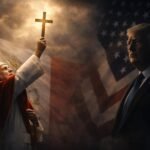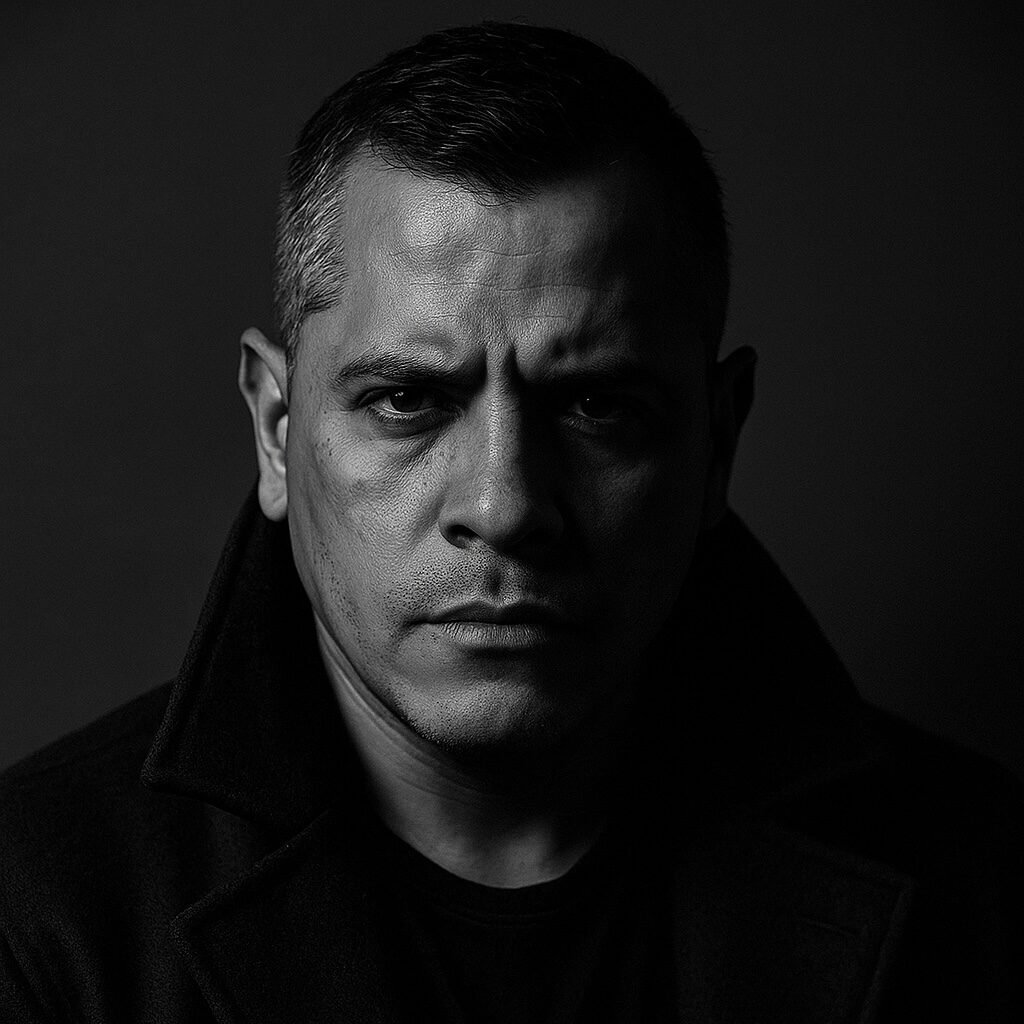

In times of profound political confusion, where candidates seem to compete in degrees of evil and pragmatism threatens to devour conscience, the Catholic cannot allow himself neutrality or surrender. Eduardo Verástegui has proposed a clear and courageous exercise that we expand today with doctrinal rigor: a compass based not on polls or electoral calculations, but on unyielding fidelity to Christ the King. For politics is not an end in itself; it is a sphere of temporal life that must be ordered to the common good and, ultimately, to eternal salvation.
EJERCICIO: CÓMO VOTAR CUANDO TODAS LAS OPCIONES SON MALAS
— Eduardo Verástegui (@EVerastegui) April 8, 2026
Paso 1: Fundamento
Antes de ver candidatos, pregúntate:
¿Mi lealtad está en Dios o en un partido?
¿Busco la verdad o solo ganar?
Sin esto, todo lo demás se corrompe.
Paso 2: Principios no negociables
Define con claridad…
The non-negotiable foundation: loyalty to God, not to parties
Before looking at a single name on the ballot, the Catholic must examine his heart. Is my first loyalty to God or to a party label? Sacred Scripture is blunt: “No one can serve two masters” (Mt 6:24). The Catechism of the Catholic Church recalls this with clarity: political authority comes from God and must be exercised according to His law (CCC 1899-1900). When a Catholic places a party’s victory above moral truth, he has already fallen into idolatry.
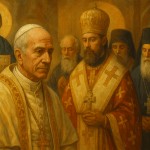
The Magisterium has repeated it without ambiguity. Leo XIII, in Immortale Dei (1885), taught that civil society cannot be built as if God did not exist. And St. Pius X, in the encyclical Notre charge apostolique (1910), condemned every attempt to separate politics from Christian moral law. Today, amid confusion, the first step is not strategic: it is conversion. Without this foundation, all subsequent discernment is corrupted.
The non-negotiable principles: the red line of the faith
There is no possible relativism when it comes to fundamental goods. Innocent human life, the family constituted in marriage between man and woman, true religious freedom and the inviolable dignity of the person are non-negotiable principles. St. John Paul II engraved this in Evangelium Vitae (1995): “It is not possible to vote for a law that contains an unjust provision, especially when it is a law that attacks innocent human life” (n. 73).
The Catechism is equally clear: “Human authority cannot oblige in conscience when it opposes divine law” (CCC 1903). Whoever votes for a candidate who promotes abortion, euthanasia, attacks on the natural family or gender ideology is not exercising a “lesser evil”: he is formally cooperating with evil. Here there is no “it depends” or “in my country it is different.” Moral truth is universal.
Discernment without fanaticism: analyzing concrete evil
Before each candidate, the Catholic must ask with evangelical coldness: Does he promote intrinsic evil? Does he tolerate it passively? Does he seek to limit it? Or does he combat it with deeds and not only with words? This analysis is not fanaticism; it is the exercise of the virtue of prudence, which St. Thomas Aquinas defined as “right reason in things to be done” (Summa Theologiae, II-II, q. 47).
It is not about demanding impossible perfection in a fallen world, but neither is it about justifying sin. Pope Benedict XVI, in Deus caritas est (2005), warned that charity without truth becomes empty sentimentalism. That is why the Catholic writes down, notes and confronts the facts. He is not carried away by emotions or tribal loyalties.
The danger of pragmatism: the temptation to justify evil
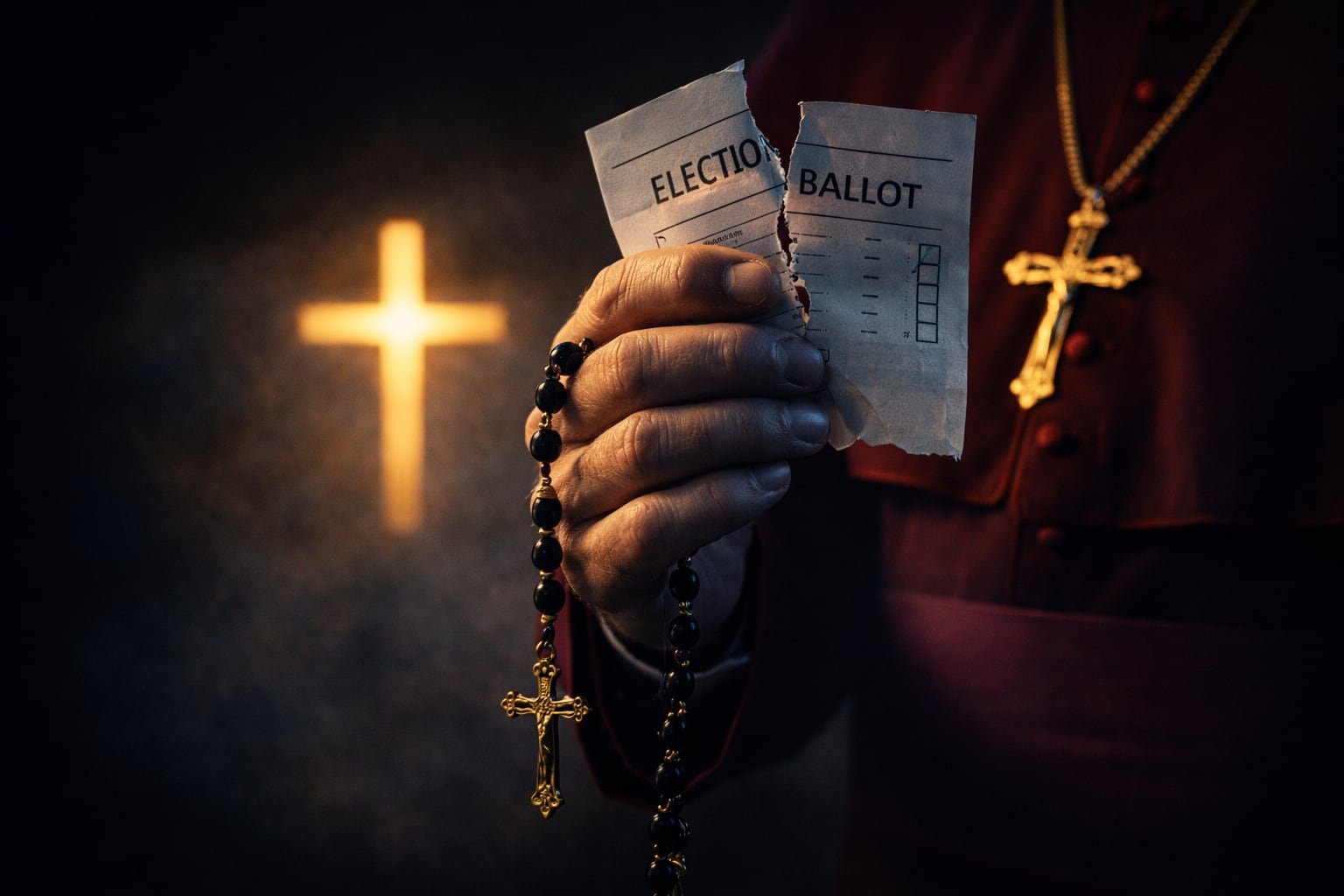
Here lies the most dangerous trap of our time: calling “strategy” what is in reality moral cowardice. Supporting an evil because “the other is worse” does not transform evil into good. Cooperation with evil, even if material and with the intention of limiting it, requires a very serious justification and can never become approval.
The Catechism explains it without circumlocution: “The end does not justify the means” (CCC 1753). And the Congregation for the Doctrine of the Faith, in the doctrinal note on some questions regarding the commitment and behavior of Catholics in political life (2002), was explicit: non-negotiable principles admit no compromise. Whoever betrays them for “political realism” is betraying his own faith.
The moral key: intention is not enough
Good intention never absolves an intrinsically evil act. Voting for a candidate who promotes abortion “to limit the damage” remains cooperation with evil if his program is approved on that point. It may be tolerable, in extreme cases and with a right conscience, to vote to contain a greater evil, but never by justifying it or calling it “good.”
St. Augustine saw this clearly in The City of God: Christians live in the earthly city, but their homeland is the heavenly one. They cannot confuse the temporal with the eternal.
The prudential decision: three paths in conscience
Faced with a panorama of all imperfect options, the Catholic may:
- Vote to limit the greater damage, always without approving the evil.
- Not vote, if no option respects the fundamental principles.
- Vote as prophetic testimony, even if symbolic.
None of these options is “neutral.” All require giving an account of the hope we carry (1 Pet 3:15).
After the vote: the struggle continues
The Catholic’s duty does not end at the ballot box. To denounce evil, to refuse to justify the elected candidate when he errs, and to continue working for the integral good: that is true fidelity. The “lesser evil” never becomes good. It remains evil. And a Catholic does not negotiate with truth.
In this hour of confusion, the Church calls us to be salt and light (Mt 5:13-14). Not to be accomplices of the world. Eduardo Verástegui has reminded us of an uncomfortable but liberating truth: it is not about winning elections, but about not losing the soul.
Sources
- Verástegui, Eduardo (2026). Exercise: How to Vote When All Options Are Bad. X (Twitter), April 8. https://x.com/everastegui/status/2042025836593795182
- Catechism of the Catholic Church (1992). Libreria Editrice Vaticana. https://www.vatican.va/archive/ENG0015/_INDEX.HTM
- John Paul II (1995). Evangelium Vitae. https://www.vatican.va/content/john-paul-ii/en/encyclicals/documents/hf_jp-ii_enc_25031995_evangelium-vitae.html
- Leo XIII (1885). Immortale Dei. https://www.vatican.va/content/leo-xiii/en/encyclicals/documents/hf_l-xiii_enc_01111885_immortale-dei.html
- Congregation for the Doctrine of the Faith (2002). Doctrinal Note on some questions regarding the participation of Catholics in political life. https://www.vatican.va/roman_curia/congregations/cfaith/documents/rc_con_cfaith_doc_20021124_politica_en.html