
(A testimony that the world prefers to silence)
There are stories that make people uncomfortable not because they are false, but because they are true.
This is one of them.
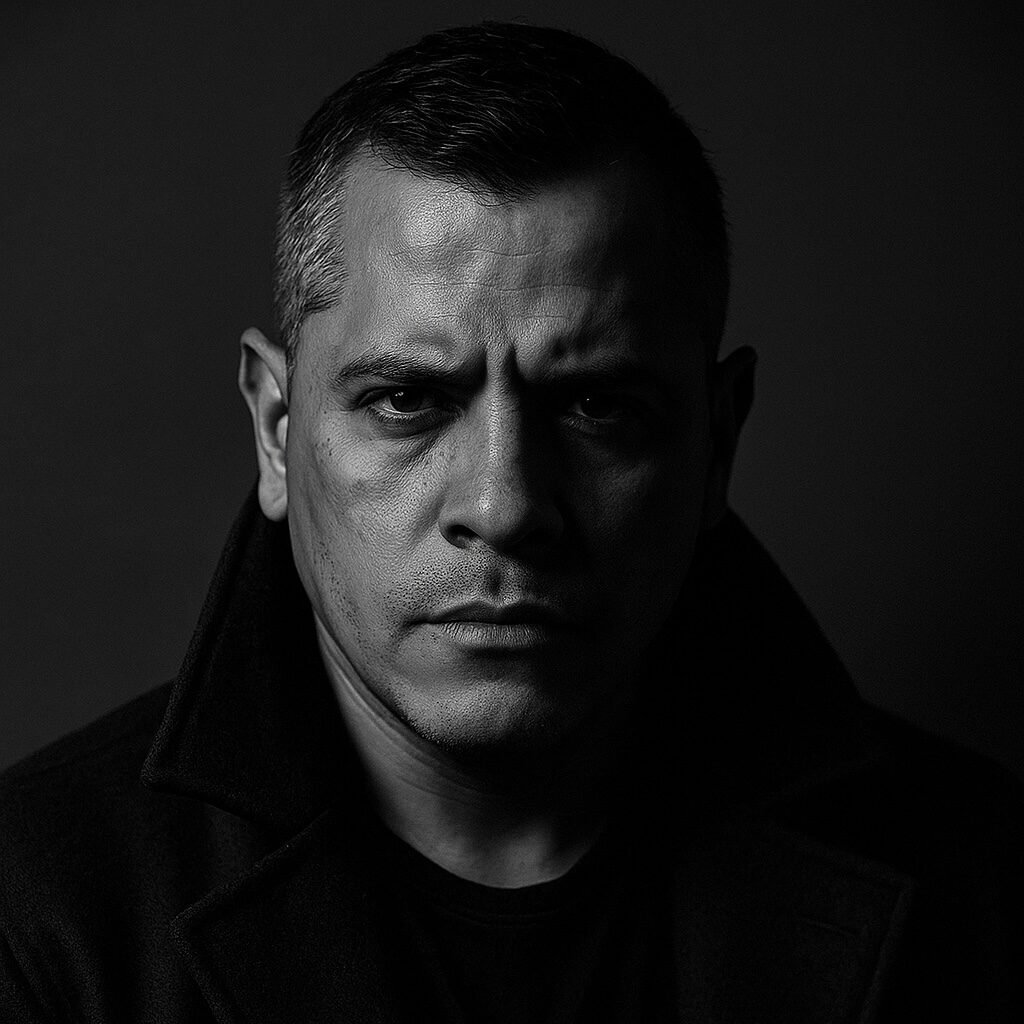
I did not invite this man to my podcast to provoke controversy. I invited him because his life contradicts one of the most aggressively defended dogmas of modernity: the idea that no one can leave homosexuality, and that anyone who claims to do so must be lying, repressing himself, or suffering from internalised hatred.
What follows is not an ideological argument. It is not a political manifesto.
It is a testimony of conversion, narrated without filters, and — precisely for that reason — deeply unsettling for the contemporary world.
A life shaped by ideology, desire, and disorientation
My guest did not grow up in a vacuum. He was educated, politically active, intellectually formed, and immersed in the cultural battles of his generation. Like many young men, he abandoned religious practice early on, perceiving it as hypocrisy or empty ritual.
Politics replaced faith. Ideology replaced truth.
And desire — unchecked and unexamined — replaced moral discernment.
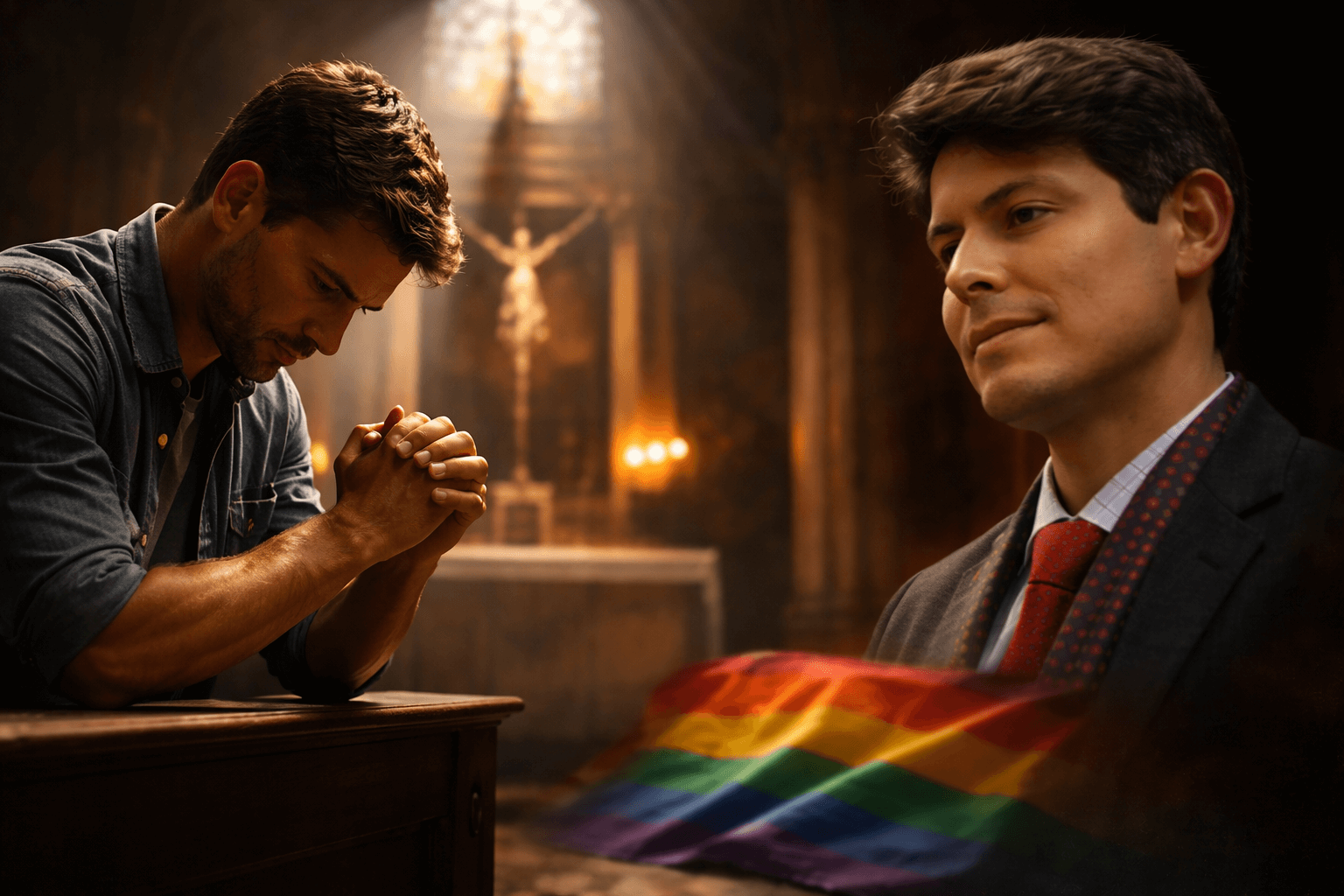
This path eventually led him into a homosexual lifestyle, embraced not as a momentary confusion but as a coherent identity, applauded by his environment and encouraged by the dominant culture. The university, the political world, and social circles all reinforced the same message: this is who you are; questioning it is oppression.
And yet, beneath the applause, something remained unresolved.
The lie modernity refuses to examine
One of the most striking elements of his testimony was not emotional pain, but interior emptiness. Not hatred of self, but a growing awareness that pleasure does not equal fulfilment, and affirmation does not equal truth.
This is precisely what the modern world cannot tolerate.
Because if even one person freely leaves homosexuality — not through coercion, but through conscience — then the entire narrative collapses.
The Church teaches something radically different from modern ideology:
“The human person, created in the image of God, is called to self-mastery and to the gift of self in love.”
— Catechism of the Catholic Church, §2337
Homosexual acts, the Church states clearly, are not morally ordered toward this end (CCC §2357).
But — and this is crucial — persons experiencing same-sex attraction are never reduced to their desires. They are called, like all Christians, to holiness.
That call became unavoidable for him.
When grace interrupts ideology
His return did not begin with feelings, nor with community support. It began with truth.
Reading the Fathers of the Church, the Catechism, the writings of Saint Pius X, and the perennial moral theology of Catholicism, he encountered something modern ideologies never provide: a coherent explanation of sin, freedom, and responsibility.
He realised something deeply unsettling:
He was not “born that way.”
He had been formed that way.
Gradually. Slowly. Through habits, influences, and unchecked passions.
This recognition did not produce despair. It produced clarity.
Conversion, as he described it, was not a single emotional moment but a battle — against lust, against pride, against the illusion that desire defines identity.
And yes, it required sacrifice.
Castity: the word modernity fears most
Few words provoke more hostility today than castity. Yet the Church insists:
“All the baptised are called to chastity.”
— CCC §2348
For him, this was not theory. It meant discipline, renunciation, prayer, sacramental life, and an honest confrontation with his own weaknesses.
No psychological reprogramming.
No coercion.
No ideological pressure.
Only conscience, grace, and perseverance.
This is what enrages the modern world: a free man choosing restraint over indulgence.
Why this testimony must be told
Since airing this conversation, I have witnessed predictable reactions: mockery, suspicion, accusations of repression, even outright hostility.
But the real reason this testimony angers so many is simple:
It proves that conversion is possible.
And if conversion is possible, then identity politics is a lie.
The Church has never promised comfort. She promises truth — and salvation.
“If anyone would come after Me, let him deny himself, take up his cross, and follow Me.”
— Matthew 16:24
This testimony does not condemn. It does not insult.
It simply refuses to submit to a false anthropology.
And for that reason alone, it must be heard.
Conclusion: A challenge, not an accusation
This article is not written to attack those struggling with same-sex attraction. It is written to challenge the lie that struggle defines destiny.
Conversion is not repression.
It is liberation ordered toward truth.
And that truth, whether the world accepts it or not, remains unchanged.
Sources
Writings of the Church Fathers on chastity and moral formation
Catechism of the Catholic Church, §§2337–2359
Sacred Scripture (Catholic Canon, 73 books), Matthew 16:24
Saint Pius X, Pascendi Dominici Gregis